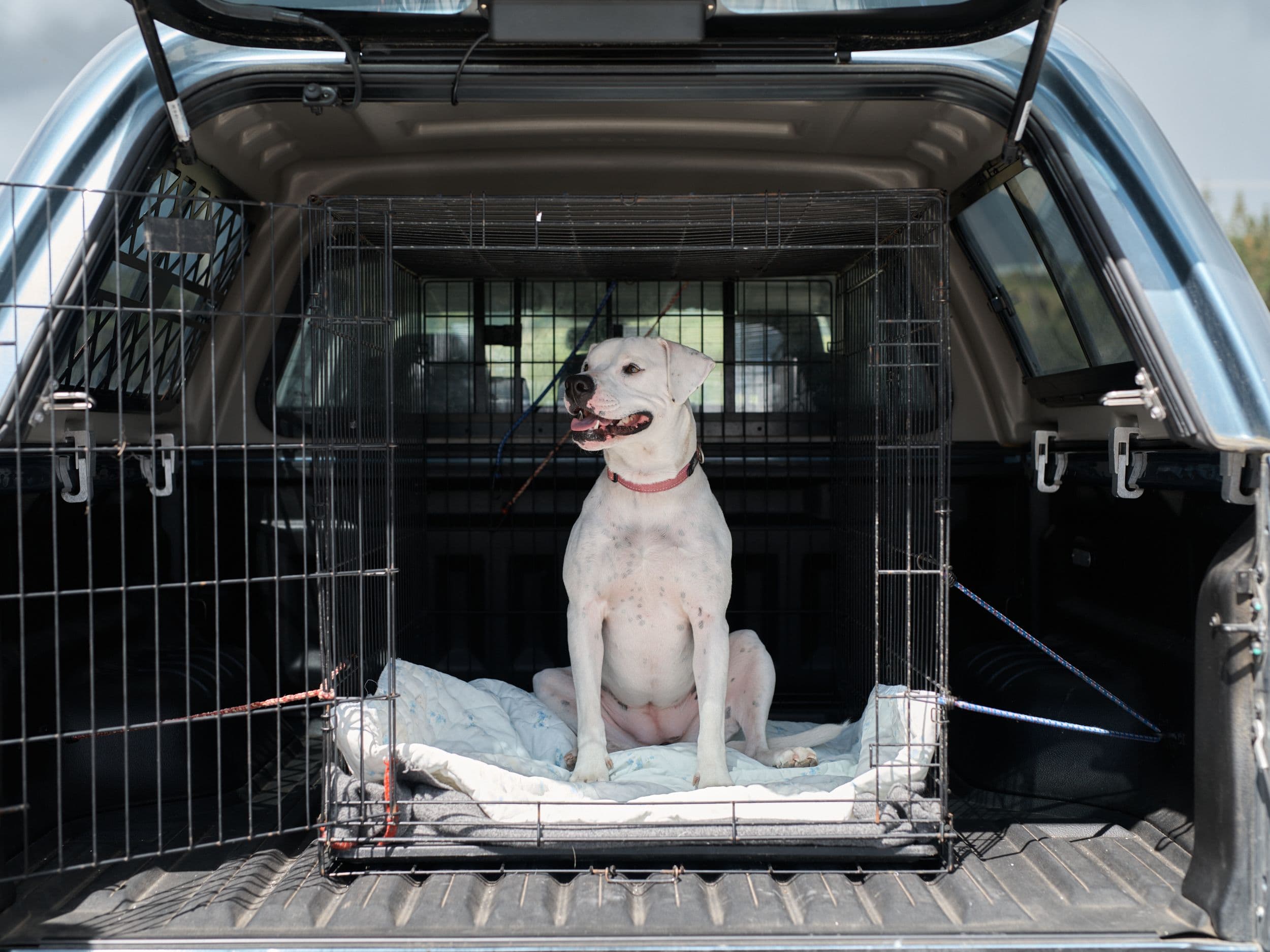

WHAT TRANSPORTING PETS TO SAFETY HAS TAUGHT US ABOUT TRAVELLING WITH PETS
Summer holidays often mean packing up the car, heading to the bach and taking our furry family members along for the adventure.
But while we know where we're going and why, our pets don't.
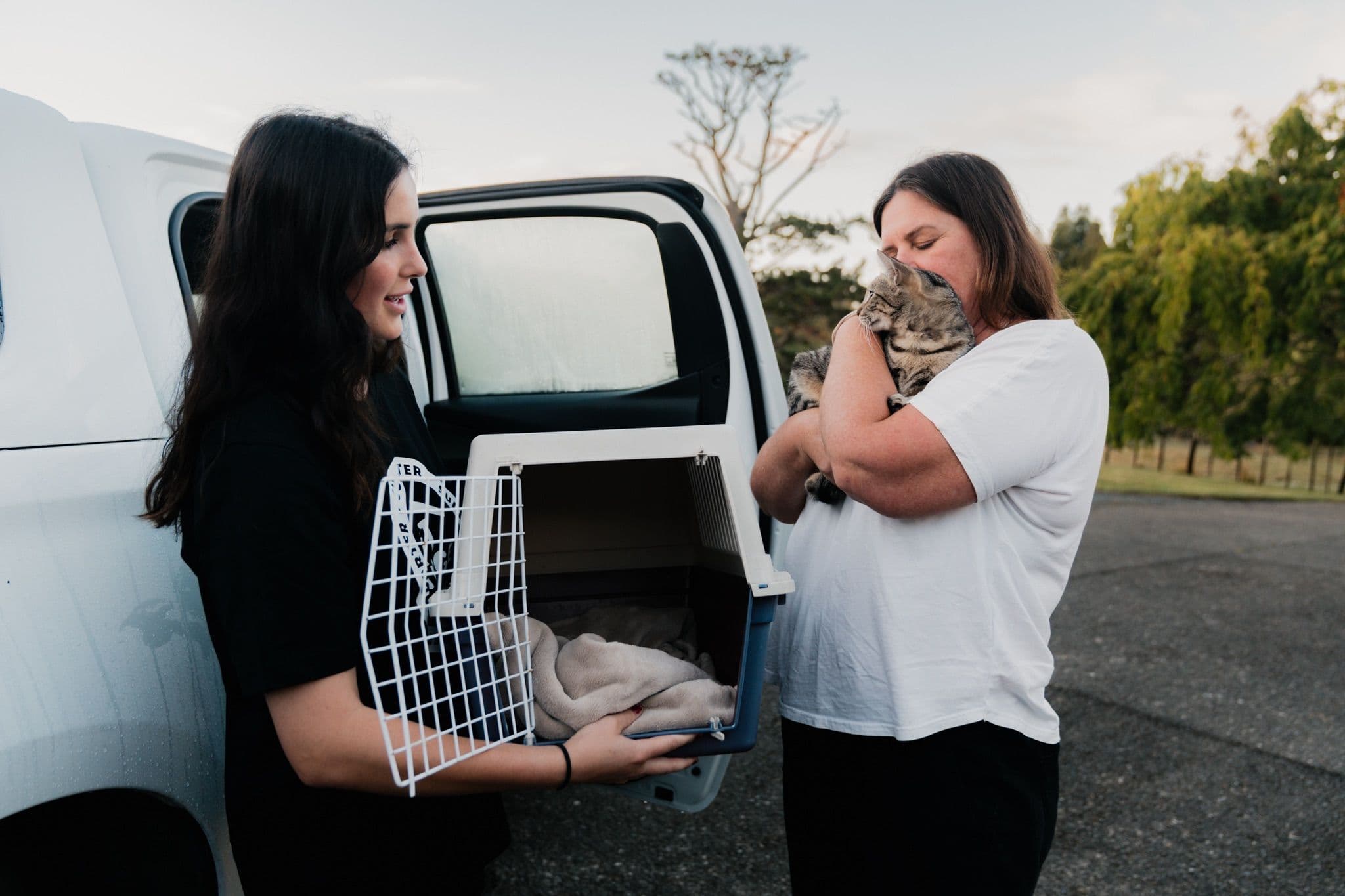
Through Pet Refuge's nationwide transport service, we help pets travel from communities across New Zealand to reach safety while their families escape family violence. For some, it's a drive across town. For others, it can mean hours on the road, travelling across regions or even taking a flight.
We prepare pets for that first journey into safety, help them settle when they arrive and, when their family is safe, prepare them for the best journey of all — home.
Together with our partners Southern Cross Pet Insurance and Mark Vette, we're sharing what those journeys have taught us about helping pets travel and adjust to somewhere new.
PREPARATION STARTS BEFORE THE JOURNEY
At Pet Refuge, we plan transport around the individual pet — how far they're travelling, how comfortable they are in a vehicle, the safest way for them to travel and what they might need along the way.
The same preparation can help before a summer holiday. If your pet isn't used to travelling, start with short, positive car experiences and give them time to become familiar with their crate, carrier or restraint before the big trip.
For longer journeys, plan appropriate stops for water, toileting and check-ins, with a safe opportunity for dogs to stretch their legs. Keep an eye on how your pet is coping and always make sure they're appropriately secured in the vehicle.
WHEN THE JOURNEY INVOLVES A FLIGHT
Some pets travelling to Pet Refuge need to fly to reach safety.
We coordinate with our transport partners, arrange any necessary veterinary checks before flying and make sure pets are prepared to travel safely in an appropriate travel crate.
If you're flying with your own pet, check your airline's requirements well in advance and give them time to become comfortable with their travel crate before departure.
Once they are used to the airline-approved travel crate, it is good to do some short practise runs in the car, travelling for short distances so they get used to the motion of travel and avoid motion sickness developing. If your pet is extremely distressed by crate containment or travel, it may be kinder to leave them with a trusted kennel, cattery or pet sitter. If they need to come on the trip, speak to your vet - medication for the journey may help avoid a traumatic experience. Avoid feeding your pet directly before a long car or plane journey, as this can increase motion sickness.
BRING A LITTLE BIT OF HOME WITH YOU
When almost everything around a pet is changing, familiarity can help.
Where possible, pets travelling to Pet Refuge can bring familiar belongings such as a blanket, bed or another suitable comfort item. These can stay with them as they settle into their first night of safety.
When you're travelling, pack some familiarity too. Your pet's usual bed, blanket, crate, favourite toy and food can help make an unfamiliar holiday destination feel a little more like home.
GIVE THEM TIME TO SETTLE
At Pet Refuge, we don't expect a newly arrived pet to immediately feel comfortable. We give them a warm, quiet space, establish predictable routines and let them explore their new surroundings at their own pace.
The same applies when you reach the bach.
Set up your pet's bed, water and familiar belongings and make sure they have somewhere quiet to retreat. Rather than heading straight into a busy day of visitors, beaches and new experiences, give them some time to adjust.
It's also worth preparing for changes before you leave. If sleeping arrangements will be different or you'll rely more heavily on skills such as recall, wait, leave it or settling on a bed, practise them at home first.
Do a thorough check of the holiday property when you arrive - ensure it’s securely fenced (make a plan if not), check toxic human foods or cleaning products are not within reach, note any plants or trees that may post a risk (such as Karaka), and watch for nearby wildlife. Remember most cats have a strong homing instinct, so if taking on holiday, ensure they can’t escape the property. If your cat is not travel conditioned and harness trained, more care and planning is necessary.
REMEMBER THE JOURNEY HOME
At Pet Refuge, we prepare for the journey home too.
When it's safe for a family to reunite, their pet leaves with a take-home pack that can include favourite toys and familiar items from their stay, along with food they've become used to eating while in our care.
For some families, home will also be somewhere new, so those familiar comforts can provide some consistency while their pet adjusts to another environment.
After a holiday, your own pet may appreciate the same consideration. Give them time to rest and settle back into their usual routine when you get home.
A BETTER JOURNEY STARTS BEFORE YOU LEAVE
Whether a pet is travelling into safety, returning to their family or heading away for a summer holiday, preparation can make an unfamiliar journey easier.
Make travel familiar before you leave. Bring some of home with you. Plan the journey around your pet's needs. And when you arrive, give them the time and space they need to settle.
Because the holiday is theirs too.
Mark Vette is a qualified animal behaviourist and the trainer behind www.dogzen.com
Explore more
Read more pet stories
Read more pet stories, finding safety, their road to recovery and being reunited with their loving families.
Donate now
Join our Safe Beds for Pets family of regular givers or make a one-off donation to help pets and their families escape violence together.
Other ways to help
From fundraising, legacy gifts, purchasing a gift and more, there are many different ways you can support pets in need.