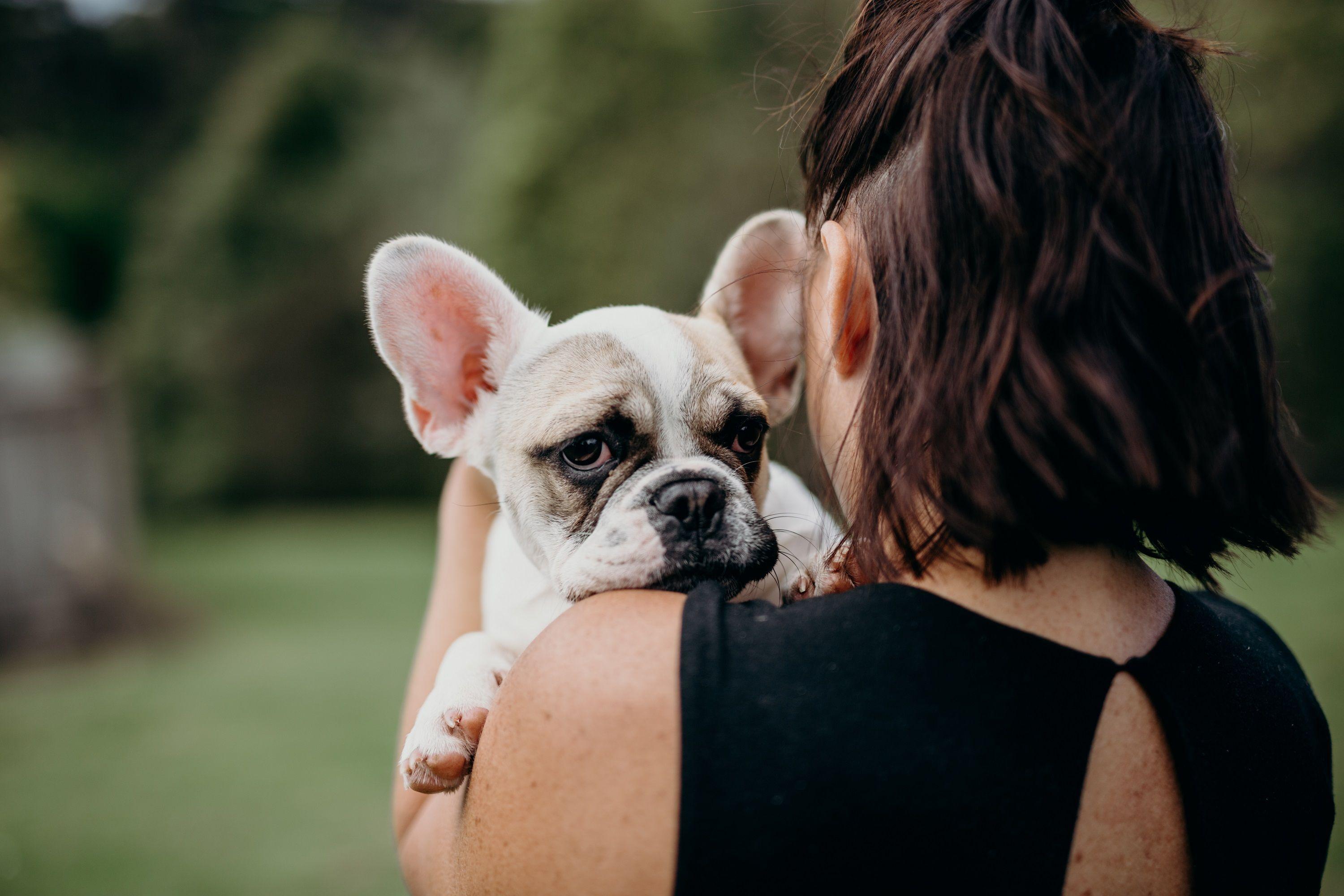

How can you tell when a pet is starting to feel safe?
For some pets arriving at Pet Refuge, feeling safe takes time.
Although they’ve reached physical safety, they’ve left their family, home and familiar routines. Our Shelter Team doesn’t rush them. We create a calm, predictable environment, learn what each pet is communicating and let trust and confidence build at their pace.
We’ve teamed up with our partner, expert animal behaviourist Mark Vette, to explore what feeling safe can look like and how we can help pets get there.
Creating a place where pets can feel safe
When a pet arrives, we give them a comfortable place to retreat, establish predictable routines and avoid pushing interaction before they’re ready.
Our Shelter Team gets to know each pet: what they enjoy, what motivates or unsettles them, and how they communicate when they need space.
For cats, here’s how to help them feel safe:
- Ease off whatever is triggering them — your presence, noise or other pets — and let them set the pace.
- Offer a quiet retreat, such as a covered crate or darkened nook. Most mammals feel safest in small, dark spaces.
- Provide easy escape routes and high perches in common areas.
- Keep the environment calm and predictable.
- Use soft voices, slow blinks and calm movements, which signal “not a threat” in feline body language.
- If they accept touch, try cheek tickles. These can stimulate oxytocin and build trust; avoid the belly and rump until trust is established.
- Lure rather than approach: treats and an encouraging voice let the cat choose to come to you.
- Hand-feeding can build trust quickly — a little butter on your fingertip works well.
- Puzzle feeders, gentle hunting games and scent toys can redirect anxious energy.
- For ongoing or severe anxiety, pheromone diffusers may help. Discuss a treatment plan with your vet.
For dogs, here’s how to help them feel safe:
- Lower your profile: crouch or sit, turn side-on, avoid direct eye contact and speak in a calm, soft, positive tone.
- Pat under the chin or on the chest. Touching the top of the head or back can feel more threatening to an anxious dog.
- Let the dog approach you. If they’re too anxious to take food from your hand, toss treats on the ground first.
- Hand-feeding and play can build trust once a dog is willing to engage.
- Stay consistent and patient. Punishing fear-based behaviour tends to deepen it.
- Dogs read human emotion closely. Calm tones and smooth movements help you model the calm you want from them.
- For a dog who is social with other dogs, a calm, confident dog can help through social facilitation: their steady presence and body language can reassure the anxious dog.
- Walks, sniffing, chewing and enrichment are generally calming once the dog has settled.
- Fearful dogs can react defensively. Watch for signs of escalation and bring in a professional behaviourist if aggression appears.
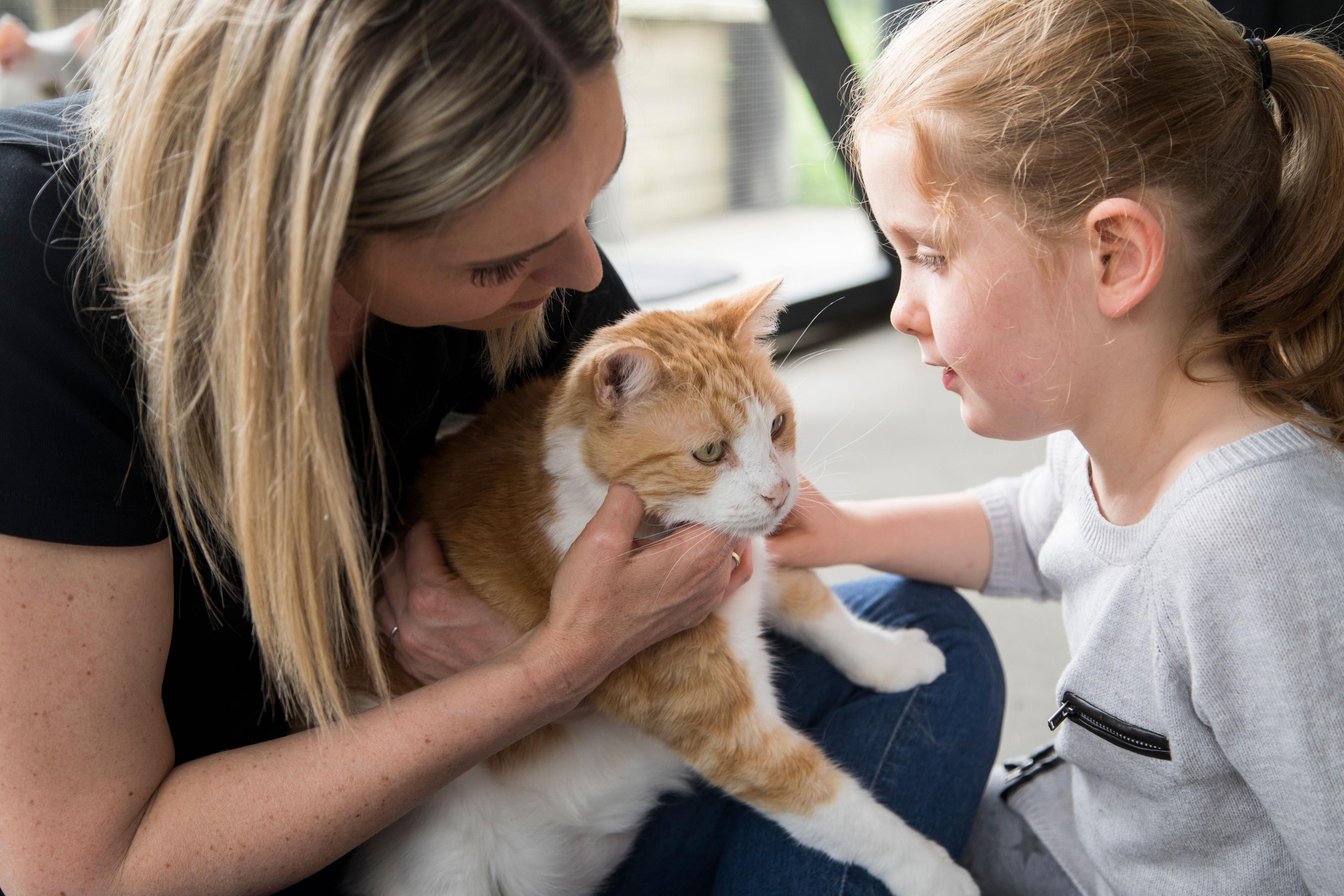
What does feeling safe look like?
No single behaviour tells us a pet feels safe. We look for changes that are meaningful for that individual pet.
They might approach familiar people, eat comfortably with someone nearby, play, explore, engage with enrichment or relax enough to sleep while people move around them.
Safety can also look like independence. Exploring, resting or engaging with enrichment without constantly monitoring nearby people can signal growing confidence.
In cats, relaxation can look like a loose body, sleeping in the open or approaching people. Stress signals can be subtle. Look for:
- Hiding for long periods, freezing, crouching or dilated pupils.
- Flattened ears, tail flicking or just the tail tip twitching.
- Overgrooming, fur loss or toileting outside the litter tray.
- Excessive scratching in the litter without toileting.
- Reduced appetite or disinterest in play.
- Kneading in unusual contexts — often read as contentment, but sometimes a sign of anxiety.
- Hypervigilance, such as scanning the room or jerking at small sounds.
- Sudden aggression or swiping, particularly if it seems to come out of nowhere.
In dogs, relaxation looks like a loose, wiggly body, soft eyes, a relaxed mouth and a willingness to engage. Stress signals include:
- Panting, lip-licking, salivating or shaking, especially alongside a stiff body or raised hackles.
- Dilated pupils.
- Climbing on or hiding behind you — often read as affection, but sometimes driven by anxiety.
- Anxious whining, barking or howling.
- Suckling or humping a toy to self-soothe.
- With more severe or prolonged stress, self-harm such as chewing feet or obsessive licking, or escape attempts such as climbing fences or chewing through crates or mesh.
Small changes can mean a lot
Building trust takes patience, and progress isn’t always linear. At Pet Refuge, we respond to the pet in front of us instead of expecting them to reach milestones within a set timeframe.
When *Twistie first arrived, they were withdrawn and watched our team from a distance. Our Shelter Team gave them space and kept their routine predictable.
One of the first signs of progress was Twistie approaching a familiar team member for treats. Over time, they began seeking interaction and engaging with enrichment. Eventually, they felt comfortable enough to settle and sleep while our team was nearby.
Hand-feeding is one of the fastest ways to build trust with cats and dogs. They can bond with someone who reliably provides a valued resource, and food tops that list.
- Offer cats a smear of butter on your fingertip. For dogs, try a high-value treat such as cheese, cooked chicken or dog roll.
- For hesitant pets, crouch nearby and toss food onto the ground between you, gradually luring them closer. Move slowly and predictably.
- For dogs who are social with other dogs, a calm, confident, friendly dog can help them see you as safe too.
- Play builds trust in both species, strengthening your bond and helping relieve stress.
Let the pet set the pace, not the calendar. Signs they’re ready for the next step include initiating contact rather than just tolerating it, and recovering quickly from small startles instead of shutting down. Let one gain settle before introducing another. For example, wait until a pet reliably takes treats from your hand before trying something new.
It’s tempting to build on a breakthrough, but moving too fast can undo trust. If a pet withdraws after a new step, slow down. Their earlier progress was still real.
Let the pet show you
Every pet experiences safety differently. Our Shelter Team gets to know each pet, recognises what they’re communicating and builds on the changes that matter to them.
Sometimes progress is approaching for a treat, playing or seeking affection. Sometimes it’s seeing a pet who once couldn’t switch off finally curl up and sleep.
Those small moments can tell us something important: I’m beginning to feel safe here.
Above all, be patient. Every pet arrives with their own history, and there’s no fixed timeline. Progress builds through predictable routines, treats, enrichment and affection offered on their terms. Keep the first few days quiet, introduce new people and pets gradually, and give them a space of their own to retreat to.
It’s natural to want to comfort an anxious pet, but well-meant fussing can unintentionally reinforce their fear. Focus instead on the calm, predictable environment that helps anxiety fade. Pets also read our tone, posture and energy closely, so staying calm yourself, even when you don’t quite feel it, can help them feel safer.
If you see aggression, signs of self-harm or little improvement despite consistent effort, bring in a qualified animal behaviourist rather than waiting for things to resolve on their own. This is especially important with children in the home, where safety comes first. Learn your dog or cat’s individual behaviour and communication signals: the better you read their body language, the better you can respond, helping your pet feel safer and your relationship feel more authentic for both of you.
Mark Vette is a qualified animal behaviourist and the trainer behind www.dogzen.com
Explore more

Read more pet stories
Read more pet stories, finding safety, their road to recovery and being reunited with their loving families.

Donate now
Join our Safe Beds for Pets family of regular givers or make a one-off donation to help pets and their families escape violence together.

Other ways to help
From fundraising, legacy gifts, purchasing a gift and more, there are many different ways you can support pets in need.